When a large gum drops limbs over a driveway or roots start lifting paving, most people want a safe, fast answer. An arborist Hills District homeowners trust assesses tree risk, protects property, and keeps trees healthy where possible, all while working within Australian standards and local council rules.
They are not just “tree cutters”. They are trained professionals who diagnose problems, plan safe works, and document decisions that matter for insurance, safety, and compliance across Sydney’s north-west.
What is an arborist, and how are they different from a tree lopper?
An arborist is trained to manage tree health, structure, and risk, not just remove branches. An arborist Hills District homeowners trust typically works to Australian Standard AS 4373 (Pruning of amenity trees) and uses formal risk processes rather than guesswork.
Tree loppers may offer basic cutting, but they often cannot provide the same level of diagnosis, reporting, or technically correct pruning. Homeowners usually choose an arborist when safety, tree health, or council requirements are involved.
What problems do they actually help Hills District homeowners with?
They help with safety concerns, declining trees, storm damage, and tree-to-property conflicts. An arborist Hills District homeowners trust is often called when a tree looks unstable, sheds limbs, leans after heavy rain, or sits close to roofs, powerlines, or fences.
They also handle nuisance issues like blocking solar, excessive leaf drop, or roots affecting pipes and paths. In suburbs like Castle Hill, Baulkham Hills, Kellyville, and Rouse Hill, space is tight, so careful planning matters.
How do they assess whether a tree is dangerous?
They inspect the tree’s structure, health, and surroundings, then rate the likelihood of failure and impact. An arborist Hills District homeowners trust looks for cracks, cavities, deadwood, weak unions, fungal activity, root plate movement, and soil changes.
They also assess targets like homes, sheds, play areas, and driveways. Where needed, they may recommend further testing or monitoring, especially for high-value trees or high-risk locations.
What does a typical on-site arborist inspection include?
It usually includes a site walk-through, visual tree inspection, measurements, and a discussion of homeowner goals. An arborist Hills District homeowners trust will identify species, note defects, check canopy balance, and look at previous pruning or storm damage.
They may take photos, map tree positions, and explain what can be pruned versus what should not be touched. Good arborists also flag issues outside the original request if they affect safety.
Can they treat a sick tree, or do they just remove them?
They often aim to retain trees where practical, especially healthy natives that can be made safer with correct pruning. An arborist Hills District homeowners trust may recommend canopy reduction, deadwood removal, mulching, soil improvement, pest management, or watering changes.
Removal is usually a last option when the tree is dead, structurally compromised, or unsuitable for its location. They will also explain what can realistically be fixed versus what is likely to deteriorate.
What pruning work can they do, and what is considered “proper” pruning?
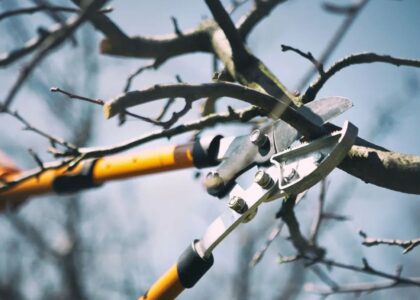
They prune to improve structure, clearance, and safety while protecting the tree’s long-term health. An arborist Hills District homeowners trust commonly performs deadwooding, formative pruning for young trees, canopy lifting over driveways, and selective reduction away from buildings.
“Proper” pruning avoids topping and removes branches at appropriate points to reduce stress. Done well, it reduces risk without triggering excessive regrowth or decay.
How do they manage storm-damaged trees after heavy weather?
They make the site safe first, then decide what can be retained. An arborist Hills District homeowners trust will remove hanging limbs, relieve weight on split branches, and isolate hazardous trees so people do not enter danger zones.
After immediate hazards are addressed, they may schedule corrective pruning or staged removals. They also consider whether saturated soils and wind loading have destabilised roots, which is a common issue after intense Sydney rain events.
Do they remove trees, and how is removal handled safely in tight residential blocks?
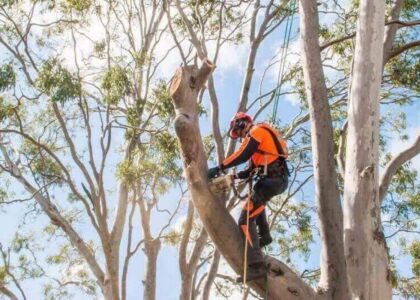
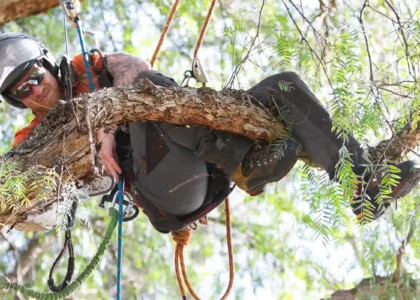
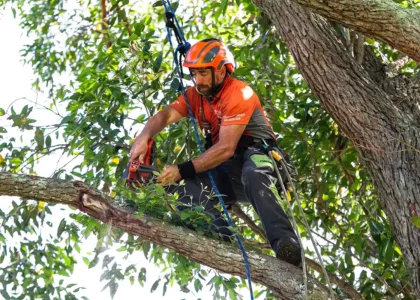
Yes, but removal is planned to minimise risk to people, fences, neighbouring properties, and structures. An arborist Hills District homeowners trust may use rigging, sectional dismantling, climbing techniques, and controlled lowering to remove pieces safely.
On small Hills District blocks, they often coordinate access, protect lawns and gardens, and manage traffic or driveway obstruction. They also organise stump grinding when requested so the area can be replanted or landscaped.
Can they help with council approvals and tree protection rules in the Hills District?
They can guide homeowners through common approval pathways and provide supporting documentation. An arborist Hills District homeowners trust may prepare an arborist report for The Hills Shire Council requirements, especially when a tree is significant, near boundaries, or part of a development application.
They can also advise on Tree Protection Zones during renovations, pool installs, or landscaping. This reduces the chance of fines, neighbour disputes, or forced remediation later.
What is an arborist report, and when would a homeowner need one?
An arborist report is a formal document describing tree condition, risk, and recommendations. An arborist Hills District homeowners trust may write one for council applications, insurance queries, body corporates, or disputes where an independent expert view is needed.
Reports often include photos, species details, measurements, defect notes, and clear recommendations. If a large tree overhangs a house or sits close to a shared fence, a report can be the difference between opinion and evidence.
How do they protect homes, neighbours, and gardens during tree works?
They set up exclusion zones, use drop mats and rigging, and plan cuts to control the fall of timber. An arborist Hills District homeowners trust will also assess access points, protect fragile landscaping, and coordinate with neighbours if branches must be lowered near shared areas.
They manage noise, site cleanliness, and safe chipper placement. A professional crew leaves the site safer and tidier than most people expect from “tree work”.
Do they work near powerlines, and what limits apply in Australia?
They can work near powerlines only within strict rules, and some jobs require the electricity network or specially accredited line-clearance crews. An arborist Hills District homeowners trust will identify service lines versus main lines and advise what is legally permitted.
For many situations, the safest approach is to coordinate with the relevant authority before pruning. This avoids dangerous assumptions and keeps homeowners compliant.
What qualifications and insurance should homeowners look for?
They should look for formal arboriculture qualifications, practical experience, and evidence of insurance. An arborist Hills District homeowners trust should carry public liability insurance, and if they employ staff, workers compensation coverage as required.
They should also be able to explain their methods clearly and provide a written quote. If they cannot describe how they will manage risk on-site, that is a red flag.
How do they price arborist work in the Hills District?
Pricing is typically based on complexity, access, risk level, equipment needs, and time. An arborist Hills District homeowners trust may quote higher for tight access, steep blocks, large removals, or advanced rigging near roofs and fences.
They may also price differently for pruning versus removal, and stump grinding is often a separate item. A detailed quote is more useful than a cheap number with no scope.
When should homeowners call an arborist instead of waiting?
They should call early when they notice dead branches, sudden leaf drop, fungi at the base, leaning, cracking sounds in wind, or roots lifting paving. An arborist Hills District homeowners trust can often reduce risk with targeted pruning before a storm forces an emergency response.
Early inspections also help when planning renovations, driveways, or pools. It is cheaper to design around trees than to fix mistakes after damage occurs.
What should homeowners expect during a first visit?
They should expect clear questions, a structured inspection, and options rather than pressure. An arborist Hills District homeowners trust will ask what outcomes matter most, such as shade retention, safety, or clearance, then explain what is feasible.
They should also explain timelines and whether staged works are safer. If a tree is high-risk, they will be direct about immediate precautions.
How can homeowners choose the right arborist for their property?
They should choose someone who communicates well, documents properly, and prioritises safe, standards-based work. An arborist Hills District homeowners trust will provide a clear scope, explain pruning choices, and outline risk controls without vague promises.
They should also be willing to liaise with neighbours or councils when needed. The right choice feels professional from the first call through to the final clean-up.
Related : When Is The Best Season For Tree Pruning Sydney Gardens?