How Does Tree Removal in Sydney Reflect Its Unique Sociocultural Identity?
Sydney tree removal practices reveal far more than urban planning decisions—they expose the city’s complex relationship with its natural and cultural heritage. Each tree removal decision in Sydney intersects with layers of meaning: Indigenous connections to Country, colonial botanical legacies, and contemporary community values.
Trees function as living heritage within Sydney’s urban fabric. They mark historical moments, anchor neighbourhood character, and embody stories spanning thousands of years of Aboriginal custodianship through to modern multicultural narratives. When a significant tree faces removal, Sydney tree removal processes bring forward questions about which aspects of the city’s identity deserve preservation.
The sociocultural identity of Sydney cannot be separated from its treescape. These botanical landmarks shape how residents experience public spaces, connect with local history, and envision their city’s future. Understanding Sydney tree removal through this lens transforms what might appear as simple environmental management into a profound act of cultural stewardship—one that determines which stories Sydney chooses to tell through its landscape.
What Role Do Trees Play in Shaping Sydney’s Diverse Cultural Narratives?
Trees serve as living records, telling the story of Sydney’s rich history through their presence in the landscape. The cultural importance of trees in Sydney encompasses ancient Indigenous knowledge, colonial botanical experiments, and modern community memories.
Trees and Indigenous Peoples
For Aboriginal and Torres Strait Islander peoples, trees are more than just plants—they represent the land itself. The Aboriginal connection to land is expressed through specific tree species that provided food, medicine, shelter, and materials for tools and ceremonies. Fig trees were used as meeting places, while eucalypts provided bark for shelters and canoes. This deep-rooted relationship with trees has existed for tens of thousands of years, passing down spiritual and practical knowledge through Sydney’s remaining native trees.
Trees and European Colonisation
The arrival of Europeans brought new stories about plants to Sydney’s landscape. Moreton Bay figs planted in public parks symbolised Victorian ideals of civic improvement, while exotic species like plane trees and elms attempted to recreate European aesthetics. These plantings represent tales of displacement, adaptation, and the colonial desire to transform the land into something familiar.
Trees in Contemporary Sydney
Today, the trees in Sydney carry all these stories at once. On a single street, you might find Indigenous eucalypts alongside Victorian-era exotics and modern native plantings—each layer revealing different values, hopes, and connections to the land. This intricate mix of plant life creates a complex cultural narrative that requires careful understanding and conservation.
How Is the Heritage Significance of Sydney’s Trees Evaluated and Protected?
The heritage tree assessment process in Sydney employs multiple criteria that extend well beyond a tree’s age or size. Assessors examine ecological importance, such as habitat provision for native wildlife and contribution to urban biodiversity. Cultural considerations weigh equally, particularly connections to Aboriginal and Torres Strait Islander heritage, historical events, or significant community memories tied to specific trees.
Each evaluation begins with detailed botanical research documenting species, age, health status, and structural integrity. Heritage consultants and arborists collaborate to determine whether a tree meets thresholds for ecological rarity, aesthetic distinction, or social value. Trees that witnessed historical events or mark important cultural sites receive special attention during this phase.
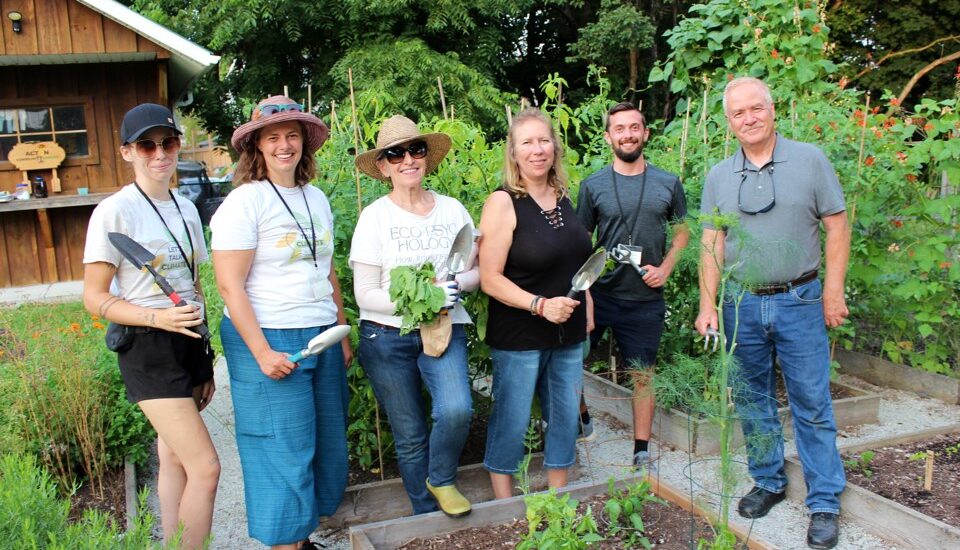
Community involvement in tree preservation forms a cornerstone of Sydney’s assessment framework. Residents can nominate trees they believe hold significance, triggering formal investigations by council heritage officers. This democratic approach ensures local knowledge and lived experiences inform official decisions about which trees deserve protected status.
The assessment unfolds through structured stages:
- Initial nomination by community members or heritage professionals
- Desktop research into historical records, botanical surveys, and cultural documentation
- Field inspection by qualified arborists and heritage specialists
- Expert panel review evaluating findings against established criteria
- Public exhibition period allowing broader community feedback
- Final determination by council authorities
Public feedback sessions create opportunities for residents to share stories, photographs, and memories connected to nominated trees. This dialogue between technical expertise and community sentiment produces a richer understanding of each tree’s place within Sydney’s living heritage. The register of significant trees grows through this collaborative process, documenting specimens that embody the city’s ecological and cultural evolution.
How Have Historical Factors Influenced the Character of Sydney’s Treescape?
Sydney’s treescape is shaped by two different land management philosophies that have greatly influenced its botanical character.
The Influence of the Gadigal People
The Gadigal people and their traditional land care practices created a landscape dominated by open eucalypt forests. They maintained this environment through controlled burning and selective vegetation management techniques that encouraged the growth of food plants and created clear sightlines for hunting.
Pre-colonial Sydney: An Environment Curated by the Gadigal People
Before European colonisation, Sydney had a carefully managed environment where fire-resistant tree species like Sydney red gums and angophoras thrived. The Gadigal people’s deep understanding of seasonal cycles and plant behaviour led to a diverse understory consisting of native grasses, shrubs, and wildflowers that supported both wildlife and human communities. This sustainable approach ensured ecological balance for thousands of years, laying the groundwork for the future development of modern Sydney.
The Impact of European Colonisation
The arrival of British settlers in 1788 brought significant changes to Sydney’s treescape. They introduced non-native tree species such as elms, oaks, plane trees, and figs—plants that reflected European aesthetic preferences and provided familiar sights for homesick colonists. The Botanic Gardens became a place where foreign plants were tested in an effort to help them adapt to their new environment; many of these species now dominate parks and streetscapes across Sydney.
Displacement of Native Vegetation
This form of botanical imperialism led to the displacement of native plants over large areas as settlers cleared land for farming and urban growth. The transition from Indigenous fire management practices to European agricultural methods altered soil composition, water patterns, and the distribution of various plant species. Open eucalypt woodlands were replaced with grand avenues lined with imported deciduous trees—an example of layered botanical heritage still visible today.
Ongoing Tension Between Historical Influences
The conflict between these two historical influences continues to shape current discussions about which trees should be protected and how Sydney’s changing urban forest should represent its diverse cultural heritage.
What Challenges Does Urban Development Present for Tree Preservation Efforts in Sydney?
Urban development impact on tree health manifests through multiple physical constraints that compromise the survival of Sydney’s mature trees. Rapid densification creates underground competition for space, with utility services, building foundations, and infrastructure networks restricting root systems that once spread freely through open soil.
Physical Stressors Affecting Tree Vitality
The stress factors for aging trees due to urban constraints operate simultaneously, creating cumulative damage:
- Soil compaction from construction machinery and increased foot traffic reduces oxygen availability to roots, preventing proper nutrient uptake
- Limited root space beneath pavements and buildings forces trees to develop shallow, unstable root systems vulnerable to drought
- Altered water tables caused by underground structures disrupt natural drainage patterns, leading to either waterlogging or moisture deficiency
- Heat island effects from surrounding concrete and asphalt elevate temperatures around tree canopies, increasing water stress during Sydney’s hot summers
Construction activities introduce additional hazards. Excavation work severs major roots, whilst material storage and vehicle movement compact soil beyond recovery. Chemical runoff from building sites alters soil pH, making it hostile to established root systems adapted to specific conditions.
Heritage trees face particular vulnerability. Species planted during colonial periods evolved in less constrained environments, with root systems now trapped beneath modern infrastructure. Their advanced age means reduced capacity to adapt to changing conditions, making them especially susceptible to decline when urban development encroaches on their established growing zones.
The cumulative effect creates a hostile environment where trees that survived decades or centuries face accelerated deterioration within years of intensive development beginning around them.
How Does Sydney Strive to Balance Tree Removal with Its Cultural Heritage?
Can strict regulations protect Sydney’s heritage trees whilst accommodating city growth? Yes—the City of Sydney employs a multi-layered policy framework that requires development consent for removing or pruning significant trees, ensuring each case undergoes rigorous assessment before approval.
The tree removal policies in Sydney operate through a tiered protection system. Trees listed on the Significant Tree Register receive the highest level of scrutiny, requiring detailed justification for any proposed removal. Development applications must demonstrate that alternatives have been exhausted and that heritage values have been thoroughly considered. This process involves arboricultural assessments, heritage impact statements, and often community consultation periods that allow residents to voice concerns about proposed removals.
Sydney’s conservation balance between heritage preservation and urban growth manifests through specific policy mechanisms:
- Development Control Plans: mandate minimum setback distances for new construction near significant trees
- Tree Replacement Ratios: require developers to plant multiple trees for each mature specimen removed
- Succession Planting Programs: ensure heritage landscapes maintain their character as aging trees decline
- Adaptive Management Strategies: allow for staged removal when trees pose genuine safety risks whilst preserving as much canopy as possible
The policies distinguish between unavoidable removals—such as diseased trees threatening public safety—and removals driven purely by development convenience. When heritage trees must be removed, the City requires comprehensive documentation of the tree’s history, characteristics, and significance for archival purposes. Replacement plantings must consider the original landscape design intent, selecting species that will eventually recreate the historical aesthetic whilst being suited to contemporary urban conditions and climate projections.
What Are The Wider Implications Of Losing Large Heritage Trees For The City And Its Communities?
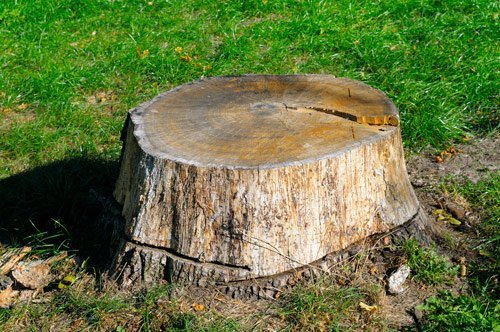
The removal of large heritage trees creates profound disruptions to Sydney’s visual continuity and collective memory. When a century-old fig or eucalyptus disappears from a familiar streetscape, the community loses more than shade—they lose a tangible connection to the city’s past. Smaller replacement saplings, while ecologically beneficial, cannot replicate the commanding presence or historical gravitas of their predecessors for decades.
Visual continuity loss due to tree replacement
This loss manifests in several ways:
- Scale disruption: Mature trees create canopy layers that define neighbourhood character; younger plantings leave gaps in the skyline that fundamentally alter how spaces feel
- Temporal disconnection: The absence of aged specimens breaks the visual timeline that connects present residents to previous generations who walked beneath the same branches
- Architectural relationships: Historic buildings designed to complement mature tree canopies appear unbalanced when surrounded by juvenile plantings
Community identity impacts from large heritage tree loss
These impacts extend beyond aesthetics. Trees often serve as informal meeting points, landmarks for navigation, and symbols of neighbourhood stability. Their removal can trigger feelings of displacement among long-term residents who’ve structured their sense of place around these living monuments.
The perceived historical narratives embedded within Sydney’s landscapes become fragmented when heritage trees vanish. A street lined with Victorian-era plantings tells a coherent story about colonial planning and botanical ambitions. Replacing these specimens piecemeal with contemporary species creates a disjointed narrative that obscures the city’s developmental trajectory. This fragmentation affects how future generations understand Sydney’s evolution, potentially erasing layers of history that took centuries to establish.
Conclusion
How can Sydney honour both its trees and its future? The city’s approach to tree management must weave together ecological health and cultural meaning—two inseparable threads in the fabric of urban identity.
Stewardship of natural heritage in Sydney demands more than preservation policies. It requires active dialogue between Indigenous knowledge holders, urban planners, heritage experts, and residents who understand that every tree tells a story. The Gadigal people’s traditional land care wisdom offers valuable lessons for contemporary practices that respect Country whilst accommodating growth.
Sydney Tree Removal: A Sociocultural View on Landscape and Identity reveals that each decision about a tree’s fate shapes the city’s character for generations. Succession planting strategies, heritage assessments, and community engagement form the foundation of responsible urban forestry.
The path ahead calls for integrated thinking—where development plans account for root systems, where cultural narratives inform species selection, and where the canopy overhead connects past, present, and future. Sydney’s trees deserve stewardship that honours their multiple roles as ecological anchors, cultural markers, and living monuments to the city’s evolving story.
Learn about: Stump Grinding in Sydney: What Happens After the Tree Is Gone?
FAQs – Sydney Tree Removal and Cultural Heritage
Tree removal in Sydney highlights the city’s complex cultural history, revealing connections to Indigenous land stewardship, colonial botanical practices, and contemporary community values. Each tree can embody historical, ecological, and social significance.
Trees act as living records of history, marking important events, Indigenous cultural sites, and colonial-era plantings. They contribute to neighbourhood character, community memory, and ecological continuity.
Heritage assessments consider ecological value, historical and cultural significance, aesthetic contribution, and social importance. Arborists, heritage specialists, and community input all play roles in determining which trees should be protected.
Aboriginal practices, such as controlled burning and selective vegetation management, shaped pre-colonial Sydney landscapes. Native species like eucalypts and fig trees were vital for food, shelter, and ceremonies, creating a sustainable ecological balance.
Colonial settlers introduced exotic species, including plane trees, elms, and Moreton Bay figs, to replicate European aesthetics. These plantings altered native ecosystems and layered the city’s treescape with colonial narratives.
Urban growth leads to soil compaction, restricted root space, altered water tables, heat stress, and construction damage. Mature and heritage trees face accelerated decline due to these physical and environmental pressures.
Policies such as the Significant Tree Register, Development Control Plans, tree replacement ratios, and succession planting ensure heritage trees are preserved while accommodating urban development safely.
Removing mature trees disrupts neighbourhood character, visual continuity, and collective memory. They serve as landmarks, meeting points, and symbols of stability, so their loss can affect community identity and sense of place.
Residents can nominate trees for heritage assessment, provide feedback during public exhibition periods, and share historical knowledge or photographs, ensuring local voices influence conservation decisions.
Combining ecological, cultural, and urban planning considerations ensures that Sydney’s trees continue to serve as living monuments, sustain biodiversity, and maintain cultural narratives for future generations.