
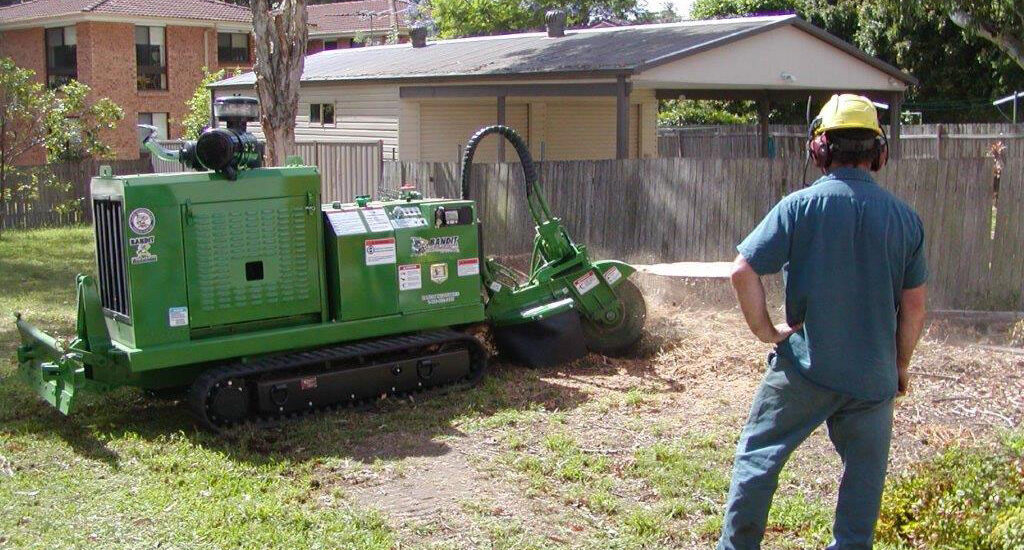
could affect the grinding process. The area is cleared of debris, and any potential hazards are addressed.
2. Equipment Selection
Based on the assessment, the appropriate stump grinder is chosen. Factors such as stump size, accessibility, and terrain influence this decision.
3. Grinding Process
The selected machine is positioned securely, and the operator begins grinding the stump. The cutting wheel is lowered gradually, making multiple passes to achieve the desired depth. Wood chips are generated as the stump is chipped away.
4. Clean-Up and Restoration
Once grinding is complete, the site is cleaned up by removing excess wood chips and debris. The resulting hole may be filled with soil or left as-is for future landscaping purposes.
Benefits of Hiring Professionals for Stump Grinding
While DIY approaches may seem tempting, hiring professionals for stump grinding Sydney offers several clear advantages:
Expertise: Certified arborists providing stump grinding Sydney services have the knowledge and experience to handle various stump sizes and tree species effectively.
Safety: Stump grinding involves operating heavy machinery, which can pose risks if not handled properly. Professional stump grinding Sydney teams prioritise strict safety measures to prevent accidents and property damage.
Efficiency: With access to specialised equipment and advanced techniques, professionals can complete the job much faster and more effectively than an inexperienced individual.
Restoration: After grinding, experts can also provide restoration services, such as filling in the hole, replanting in the area, or preparing the ground for landscaping.
By entrusting your stump grinding needs to experts, you ensure a smooth process with optimal results.
Why Is Stump Grinding Necessary After Tree Removal?
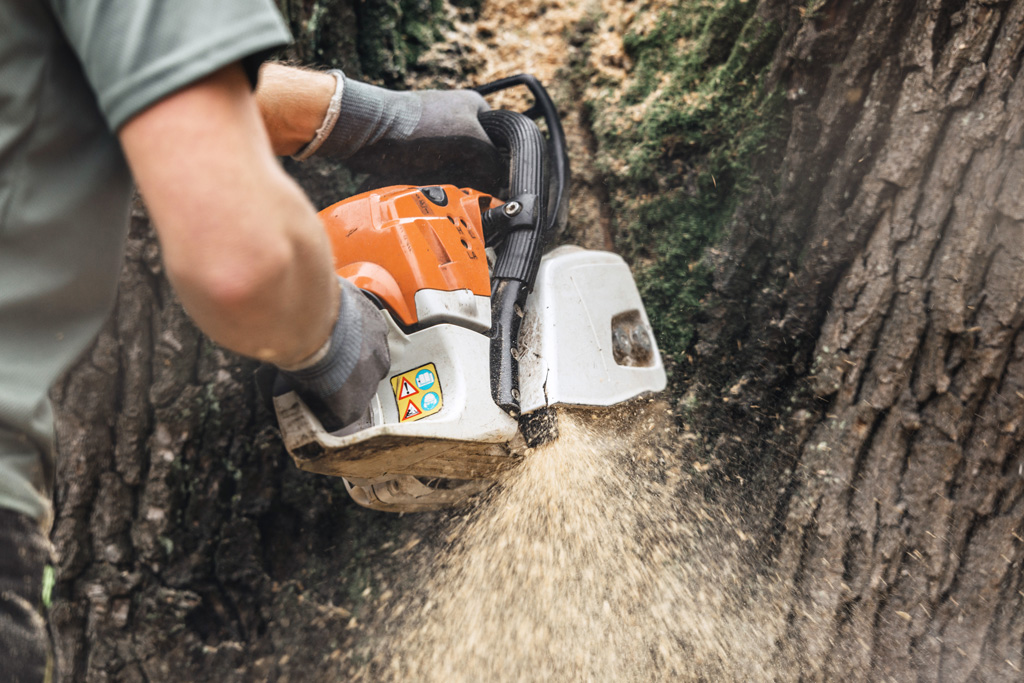
Leaving a tree stump in your garden after removal creates multiple problems that worsen over time. Stump grinding addresses these issues by eliminating the stump below ground level, preventing complications that affect both your property’s safety and long-term usability.
Does a Tree Stump Continue Growing After Removal?
Tree stumps retain living tissue that can prevent regrowth from becoming a persistent problem. Many tree species produce new shoots, saplings, or suckers from the remaining stump and root system, attempting to regenerate the lost tree. These unwanted sprouts drain nutrients from surrounding soil and compete with nearby plants for resources.
Sydney’s climate provides ideal conditions for rapid regrowth, particularly with species like eucalyptus, fig trees, and certain palms. A single stump can produce dozens of shoots within months, creating a maintenance nightmare that requires constant pruning. Each time you cut back new growth, the stump responds by producing more shoots, establishing a frustrating cycle.
Professional stump grinding eliminates the stump’s ability to produce new growth by destroying the cambium layer and removing the majority of living tissue. This prevents the energy reserves stored in the stump from fuelling regeneration attempts.
How Do Stumps Create Safety Risks on Your Property?
Exposed tree stumps present serious tripping hazard elimination concerns for property owners, visitors, and children playing in the garden. Stumps hidden by long grass or garden beds become particularly dangerous, causing falls that result in injuries ranging from minor scrapes to broken bones.
The risks multiply in high-traffic areas:
- Garden pathways where stumps obstruct natural walking routes
- Lawn areas where stumps damage mowing equipment and create uneven surfaces
- Play spaces where children run without watching ground-level obstacles
- Entertainment areas where guests navigate unfamiliar terrain during gatherings
Property owners face potential liability issues if visitors injure themselves on unmarked stumps. Insurance claims related to trip-and-fall accidents can increase premiums and create legal complications. Grinding stumps below ground level removes these hazards entirely, allowing safe use of outdoor spaces without constant vigilance.
What Pests Are Attracted to Decaying Tree Stumps?
How Does Stump Grinding Benefit the Landscape and Environment?
Stump grinding transforms what would otherwise be waste material into valuable resources for your garden. The process creates natural mulch that enriches your soil whilst minimising environmental disruption compared to traditional removal methods.
Turning Waste Into Nutrient-Rich Mulch
The wood chips produced during stump grinding serve as excellent organic mulch for garden beds, pathways, and around existing plants. This ground material breaks down gradually, releasing essential nutrients back into the soil and improving its structure over time.
Key benefits of using stump mulch include:
- Natural moisture retention that reduces watering requirements
- Temperature regulation protecting plant roots from extreme heat or cold
- Weed suppression creating a natural barrier against unwanted growth
- Cost savings by eliminating the need to purchase commercial mulch products
The decomposition process adds organic matter to your soil, enhancing its ability to support healthy plant growth. Sydney gardeners particularly appreciate this sustainable approach to waste management, especially during drought conditions when water conservation becomes critical.
Creating Space for New Landscaping Opportunities
Removing a stump opens up previously unusable areas of your property for creative landscaping projects. The cleared space allows for immediate replanting without waiting years for natural decomposition to occur.
Property owners can transform former tree locations into:
- Native garden beds featuring drought-resistant Australian plants
- Vegetable patches taking advantage of nutrient-rich soil
- Lawn extensions creating seamless green spaces
- Outdoor entertainment areas with pavers or decking
- Water features such as ponds or fountains
The ground stump material can be spread across these new areas, providing an instant layer of organic matter that supports whatever landscaping vision you pursue. This immediate usability proves particularly valuable for time-sensitive projects like property sales or upcoming events.
Environmental Advantages of Eco-Friendly Landscaping
Stump grinding represents a significantly less invasive approach compared to complete stump and root extraction. Traditional removal methods often require heavy machinery that compacts soil, damages surrounding vegetation, and disrupts underground ecosystems.
The grinding process:
- Minimises soil disturbance by working only at the stump location
- Preserves beneficial soil microorganisms through minimal disruption
- Reduces carbon emissions associated with transportation by utilising on-site materials
By choosing stump grinding as part of your landscaping practices, you contribute to a more sustainable environment while still achieving your desired outdoor aesthetics.
What Happens to the Tree Roots After Stump Grinding?
The root system undergoes significant reduction during stump grinding, with the main structural roots ground down alongside the stump. Most of the substantial root mass within the immediate grinding area is destroyed, but smaller lateral roots extending beyond the grinding zone remain intact beneath the soil surface.
Understanding Root System Reduction
Professional stump grinding typically penetrates 15-30 centimetres below ground level, effectively eliminating the primary root crown and major anchoring roots. The grinding process destroys the tree’s vascular system—the network responsible for transporting water and nutrients throughout the plant. Without this critical infrastructure, the tree cannot sustain new growth from the remaining root fragments.
The extent of root system reduction depends on several factors:
- Tree species: Some varieties develop shallow, spreading root systems whilst others grow deep taproots
- Tree age and size: Mature trees possess more extensive root networks than younger specimens
- Soil conditions: Compacted or rocky soil limits root spread compared to loose, fertile ground
- Grinding depth: Deeper grinding operations remove more root material
Why Remaining Roots Rarely Cause Problems
The roots left behind after stump grinding pose minimal risk to your property or landscape. These remnants lack the energy reserves and structural integrity needed to produce viable new growth. The grinding process severs the connection between roots and any potential energy source, essentially starving the remaining root fragments.
Decomposition begins almost immediately after grinding. Sydney’s warm, humid climate accelerates the natural breakdown of organic matter, with most remaining roots decomposing within 12-24 months. This process actually benefits the soil by releasing nutrients and improving soil structure as microorganisms break down the woody material.
Root regrowth into new trees is exceptionally rare following proper stump grinding. The tree’s growth hormones and stored carbohydrates are concentrated in the stump and main root crown—precisely the areas destroyed during grinding. Any shoots that do emerge typically appear weak and stunted, lacking the vigour needed to establish a new tree.
Regrowth Management Strategies
Certain tree species demonstrate more persistent regrowth tendencies than others. Eucalyptus, fig trees, and some palm varieties occasionally produce suckers from remaining root fragments. Monitoring your property for new
How Does Stump Grinding Improve Property Safety and Usability?
Stump grinding transforms hazardous eyesores into usable space by eliminating trip hazards and clearing obstructions that limit what you can do with your property. An exposed stump creates immediate safety risks for children playing, guests walking through your garden, and anyone working on the property.
Safety Hazard Prevention Through Professional Grinding
Protruding stumps pose serious injury risks that many Sydney property owners underestimate. A partially hidden stump covered by grass or leaves becomes a dangerous trap, causing twisted ankles, falls, and potential liability issues if visitors are injured. Elderly family members and young children face particular vulnerability when navigating properties with unremoved stumps.
Lawn maintenance equipment operators encounter significant dangers when mowing around stumps. Lawnmower blades striking hidden stumps can cause:
- Flying debris that injures the operator or bystanders
- Expensive damage to mowing equipment requiring costly repairs
- Loss of control leading to accidents or property damage
- Increased maintenance time as operators carefully navigate around obstacles
Professional stump grinding eliminates these risks entirely, creating a smooth, level surface where stumps once created hazardous conditions.
Construction Site Preparation and Expansion Projects
Property development plans often stall when stumps occupy valuable space. Whether you’re planning a deck extension, installing a swimming pool, or building a granny flat, stumps create immovable obstacles that complicate construction timelines and increase project costs.
Builders and contractors require clear, level ground to work efficiently. Stumps interfere with:
- Foundation excavation for new structures
- Installation of retaining walls or fencing
- Placement of sheds, carports, or outdoor entertainment areas
- Driveway extensions or new paving projects
Sydney homeowners planning renovations discover that removing stumps before construction begins saves money by preventing delays and allowing contractors to work without restrictions. The grinding process creates a clean slate for architectural plans without the extensive excavation required for full stump removal.
In fact, excavation is step one in preparing for a home addition, highlighting the importance of having a clear site free from any obstructions like tree stumps.
Underground Utility Clearance and Infrastructure Access
Modern properties rely on complex networks of underground utilities that require unobstructed access. Stump roots extending beneath the surface create complications when installing or maintaining essential services.
What Are the Typical Costs and Considerations for Stump Grinding in Sydney?
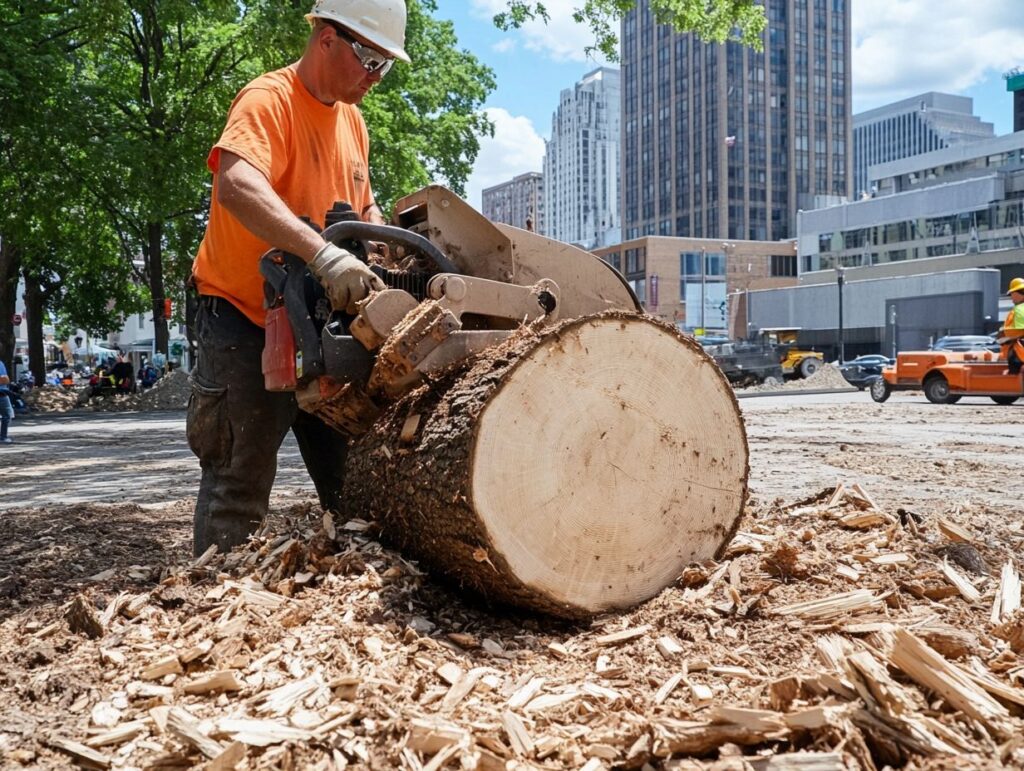
Stump grinding cost Sydney typically ranges between $120 and $200 for standard residential jobs, with many professionals charging an hourly rate of approximately $200. These prices reflect the specialised equipment, expertise, and insurance coverage that professional tree service companies provide.
Understanding Pricing Factors Tree Services Consider
The final cost of your stump grinding project depends on several critical variables. Stump size stands as the primary pricing factor—larger stumps require more time, fuel, and machine wear to grind completely below ground level. A small 30cm diameter stump might cost $120, whilst a massive 1-metre diameter stump could exceed $300.
Location accessibility significantly impacts the quote you receive. Stumps positioned in tight spaces, behind fences, or on steep slopes require smaller equipment or additional labour to access safely. This constraint increases both time and complexity, raising the overall cost.
Tree type matters because different species have varying wood densities and root structures. Hardwoods like ironbark or eucalyptus take longer to grind than softer pine varieties, directly affecting labour hours and equipment strain.
Additional considerations include:
- Number of stumps: Multiple stumps on one property often qualify for discounted rates
- Root flare width: Stumps with extensive surface roots require extra grinding time
- Depth requirements: Grinding deeper than standard 30cm below ground level costs more
- Site cleanup: Removal of mulch material versus leaving it on-site affects pricing
- Travel distance: Properties in remote Sydney suburbs may incur travel fees
Professional vs DIY Stump Removal: Why Expertise Matters
Hiring professionals for stump grinding in Sydney delivers substantial advantages over attempting DIY removal. Safety represents the most compelling reason—stump grinders are powerful industrial machines with rotating carbide teeth that can cause severe injuries without proper training. Professional operators understand machine handling, protective equipment requirements, and hazard identification.
Effectiveness distinguishes professional services from amateur attempts. Experienced technicians know precisely how deep to grind for different scenarios, whether you’re planning to replant, lay turf, or construct over the area. They complete jobs in hours that might take inexperienced individuals days.
Learn about: Sydney Tree Removal: A Sociocultural View on Landscape and Identity
FAQs – Stump Grinding Sydney
Stump grinding Sydney involves using a powerful machine equipped with a rotating cutting wheel to chip away the remaining tree stump below ground level. The process creates wood mulch that can be reused in your garden.
Leaving stumps behind can lead to pest infestations, fungal growth, regrowth of unwanted shoots, and tripping hazards. Stump grinding completely removes these risks and restores the safety and appearance of your property.
Most professional stump grinding services in Sydney grind between 15–30 cm below ground level, ensuring complete removal of the stump’s core and main roots to prevent regrowth and allow for landscaping or replanting.
Professional arborists offer efficiency, safety, and precision. They use specialised equipment to handle various stump sizes, avoid underground utility damage, and clean up debris for a smooth, ready-to-landscape surface.
Yes. Grinding eliminates tripping hazards, makes lawn maintenance safer, and creates level ground suitable for construction, replanting, or recreational use—especially important for families and elderly residents.
The roots decompose naturally over time since the grinding process removes their energy source. In Sydney’s climate, most remaining roots break down within 12–24 months, enriching the soil with organic matter.
Decaying stumps attract termites, ants, beetles, and fungi that can spread to nearby healthy trees or even your home’s wooden structures. Stump grinding prevents such infestations effectively.
Stump grinding cost Sydney typically ranges from $120 to $200 per stump, depending on the stump’s diameter, location accessibility, tree type, and required grinding depth. Larger or multiple stumps may incur higher fees.
Yes. Stump grinding is eco-friendly as it minimises soil disturbance, reduces carbon emissions by processing material on-site, and produces organic mulch that benefits soil health and water retention.
DIY stump grinding is possible but not recommended. The machinery is powerful and dangerous without proper training. Professional stump grinding Sydney services ensure safe, efficient, and compliant results.


